How To Clean My Fabric Sofa UK

Most people don’t realise how quickly a sofa gets dirty.
It doesn’t happen overnight—it builds slowly. A bit of dust, a few spills, everyday use… and before you know it, the fabric looks dull, feels rough, or starts to smell.
The tricky part is knowing how to clean it properly without damaging the material.
In this guide, we’ll walk through the safest and most effective way to clean a fabric sofa at home — and when it’s better to get it professionally cleaned.
What Builds Up Inside Your Sofa Over Time
Even if your sofa looks clean on the surface, inside the fabric it’s a different story.
- From what we see on a daily basis, sofas often contain:
- Body oils from skin contact
- Dust and fine particles trapped in fibres
- Food crumbs and drink spills
Pet hair and lingering odours
This is why a sofa can start to smell or feel dirty even when it “looks fine”.
You can see real cleaning results on our Gallery page
Start With a Proper Vacuum
Before using any cleaning product, remove loose dirt first.
Vacuuming helps prevent rubbing dirt deeper into the fabric when cleaning.
Focus on:
- Seat cushions
- Gaps and seams
- Armrests and edges
Use a soft brush attachment to avoid damaging the material.
Understand Your Sofa Fabric Before Cleaning
Not every sofa should be cleaned the same way.
Check the care label for guidance:
- W → safe for water-based cleaning
- S → solvent-based cleaning only
- WS → both methods allowed
- X → vacuum only
Ignoring this can lead to shrinkage, fading, or permanent marks.
Dealing With Stains the Right Way
When a stain appears, the instinct is to scrub it — but that usually makes things worse.
Instead:
- Dab gently using a clean cloth
- Work from the outside of the stain inward
- Avoid over-wetting the area
For older or stubborn stains, a proper stain removal treatment is often needed to fully break it down.
Choosing the Right Cleaning Solution
For general cleaning, keep it simple.
You can use:
- Mild fabric detergent
- Upholstery-safe cleaning solution
- Light vinegar mix for odour control
- Always test on a hidden area first.
Too much moisture is one of the biggest mistakes — it can lead to damp smells and deeper problems.
Letting the Sofa Dry Properly
After cleaning, drying is critical.
Make sure to:
- Keep the room ventilated
- Allow airflow around the sofa
- Avoid sitting on it while it’s damp
If it doesn’t dry properly, you may end up with a musty smell.
When Home Cleaning Isn’t Enough
Sometimes, no matter what you try, the sofa still looks tired or smells unpleasant.
That’s usually a sign the dirt has gone deep into the fabric.
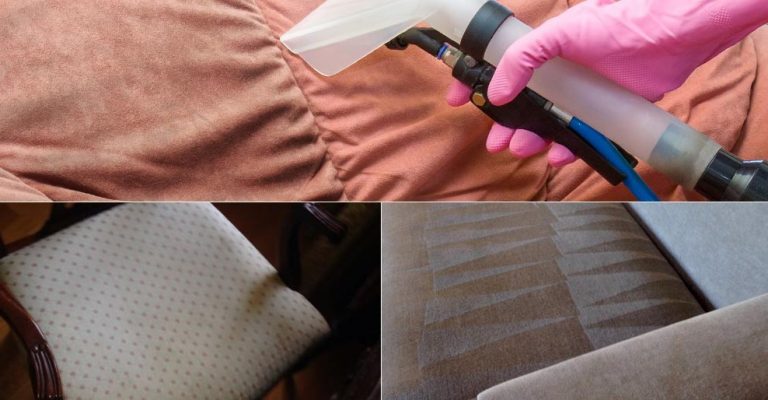
At this stage, a professional upholstery cleaning service can properly extract deep dirt and restore the fabric safely.
If you’re in nearby areas, we also cover Upholstery Cleaning Walsall.
Protecting Your Sofa After Cleaning
Once your sofa is clean, protecting it makes a big difference.
A fabric protector helps:
- Reduce future stains
- Prevent liquid absorption
- Make maintenance easier
You can learn more in our guide on applying Scotchgard to upholstery
Keeping Your Sofa Clean Day to Day
Simple habits can keep your sofa in good condition:
- Vacuum regularly
- Clean spills straight away
- Rotate cushions
- Avoid eating messy food on it
These small steps help prevent build-up over time.
When To Get Your Sofa Professionally Cleaned
Even with regular care, sofas still need a deep clean.
A general guideline:
- Light maintenance → regularly
- Deep clean → every 6–12 months
You can learn more about how we clean sofas on our About Us page.
A Cleaner Sofa Makes a Big Difference
A clean sofa isn’t just about how it looks — it affects how your whole room feels.
If your sofa is marked, smells unpleasant, or just looks worn, cleaning it properly can completely change the space.
And if home cleaning isn’t enough, professional cleaning can bring it back to life.