

May Be Suitable After Checking
It may help with localised grease and stubborn marks on some robust, uncoated oven surfaces. Check the oven manual, use only a small amount and complete a patch test before cleaning a larger area.
Practical oven-care guide
The Pink Stuff may help remove grease and stubborn marks from some oven surfaces, but it should not be treated as suitable for every part of every oven.
Before using it, check the product instructions and your oven manufacturer’s cleaning guidance. Surface coatings, specialist liners and sensitive components can require a different approach. This guide explains where it may be suitable, what to avoid and how to use it carefully.
Important: Always test a small, inconspicuous area first and avoid heating elements, fans, vents and door seals.
Check before cleaning
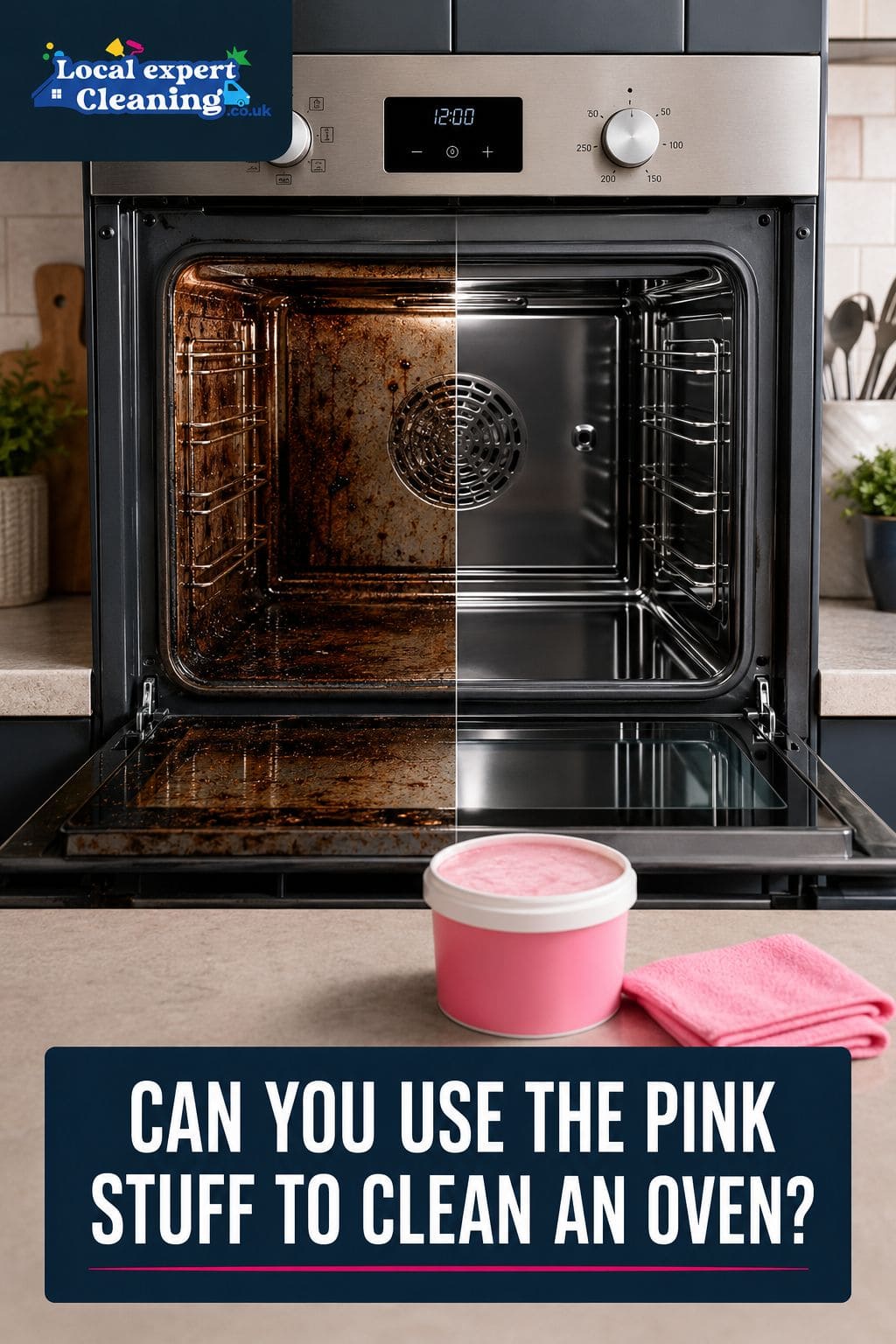
The Pink Stuff Cleaning Paste is mildly abrasive, so it should not automatically be used across the whole appliance. Suitability depends on the oven’s materials, protective coatings and the manufacturer’s cleaning instructions. Always check first and test a small, inconspicuous area.

It may help with localised grease and stubborn marks on some robust, uncoated oven surfaces. Check the oven manual, use only a small amount and complete a patch test before cleaning a larger area.
Take particular care with oven glass, highly polished stainless steel, enamel, ceramic finishes and coated panels. Because the paste contains abrasive particles, excessive pressure may leave fine scratches or affect the finish.
Do not apply cleaning paste directly to heating elements, fans, ventilation openings, electrical components or rubber door seals. Catalytic and other specialist self-cleaning liners should only be cleaned as directed by the oven manufacturer.
Important: Work only on a completely cool oven. Apply gently with a soft cloth or sponge, do not allow the paste to dry and remove the residue thoroughly. The product label and your oven manual should always take priority.

Knowing when to stop
Cleaning paste may help with suitable accessible surface marks, but it cannot always reach thick carbon, heavily burnt-on grease or deposits behind removable oven components. Increasing the pressure or dismantling unfamiliar parts can create a risk of scratching or damaging the appliance.
Fresh spills, light greasy marks and suitable surfaces that can be reached without removing parts or using excessive pressure.
Heavy carbon, difficult access, removable components and grease trapped around the fan, backplate or suitable door-glass panels.
Where suitable, Local Expert Cleaning removes racks, trays, the oven door, internal glass, backplate and fan blade for better access. Removable metal parts are cleaned separately in our heated dip tank before the oven is reassembled and visually checked.
These short answers cover the most common questions about using cleaning paste inside an oven.
It may be used on some suitable surfaces, but not automatically throughout the appliance. Check the product label and oven manual, complete a patch test and avoid elements, vents, fans and seals.
Extra care is required because the paste is mildly abrasive. Check the oven manufacturer’s guidance, test a small area and avoid heavy pressure that could leave fine scratches.
There is no universal waiting time for every surface. Work the paste gently over a suitable mark and remove it before it dries, following the current instructions on the product label.
It may help with some surface grease, but heavily carbonised or inaccessible deposits may require a dedicated product or professional oven cleaning rather than harder scrubbing.